 Call Now
A roof's material affects its appearance, weight, upkeep and suitability for the building beneath it. Across Sydney, the choice also depends on roof pitch, drainage, exposure, heritage requirements and the condition of the existing structure.
This guide introduces the main roofing materials you may encounter. Each has different products and installation requirements, so a site assessment matters before deciding on a repair or replacement.
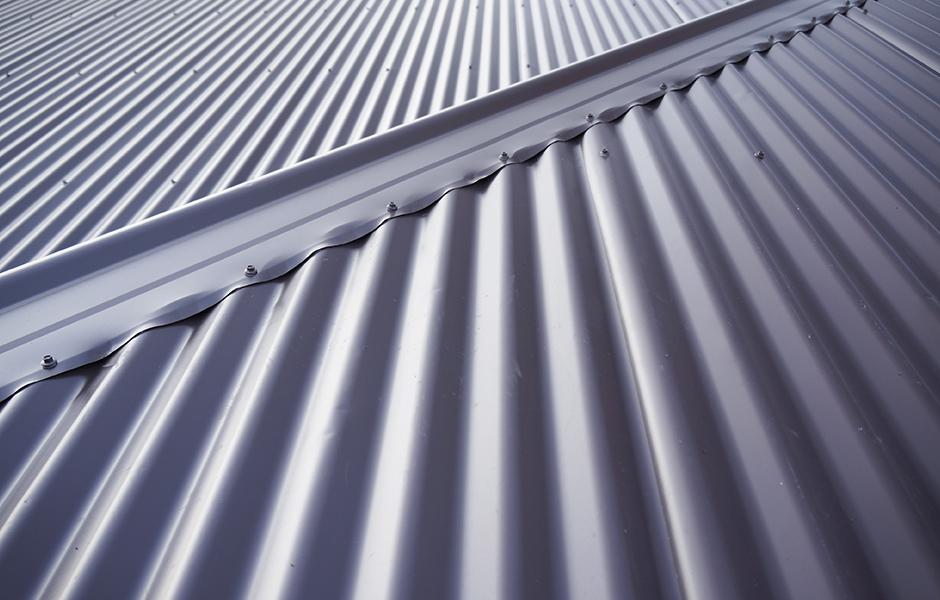
Metal roofing
Metal roofs are common on homes, warehouses and commercial buildings. Profiled steel sheets come in several shapes, including corrugated and ribbed profiles. The coating, profile and fixing system must suit the site's exposure and the roof's pitch.
- Prepainted steel: Available in a broad range of colours and widely used for residential and commercial roofs.
- Zinc and aluminium coated steel: Often chosen where an unpainted metallic finish is wanted.
- Aluminium: A lightweight option considered for some coastal or specialised applications, subject to the complete roofing system.
Metal roofing can also be formed into standing seam or other architectural systems. A roofer should check the required pitch, spans, insulation, condensation control and compatibility of adjoining materials.
Tile roofing
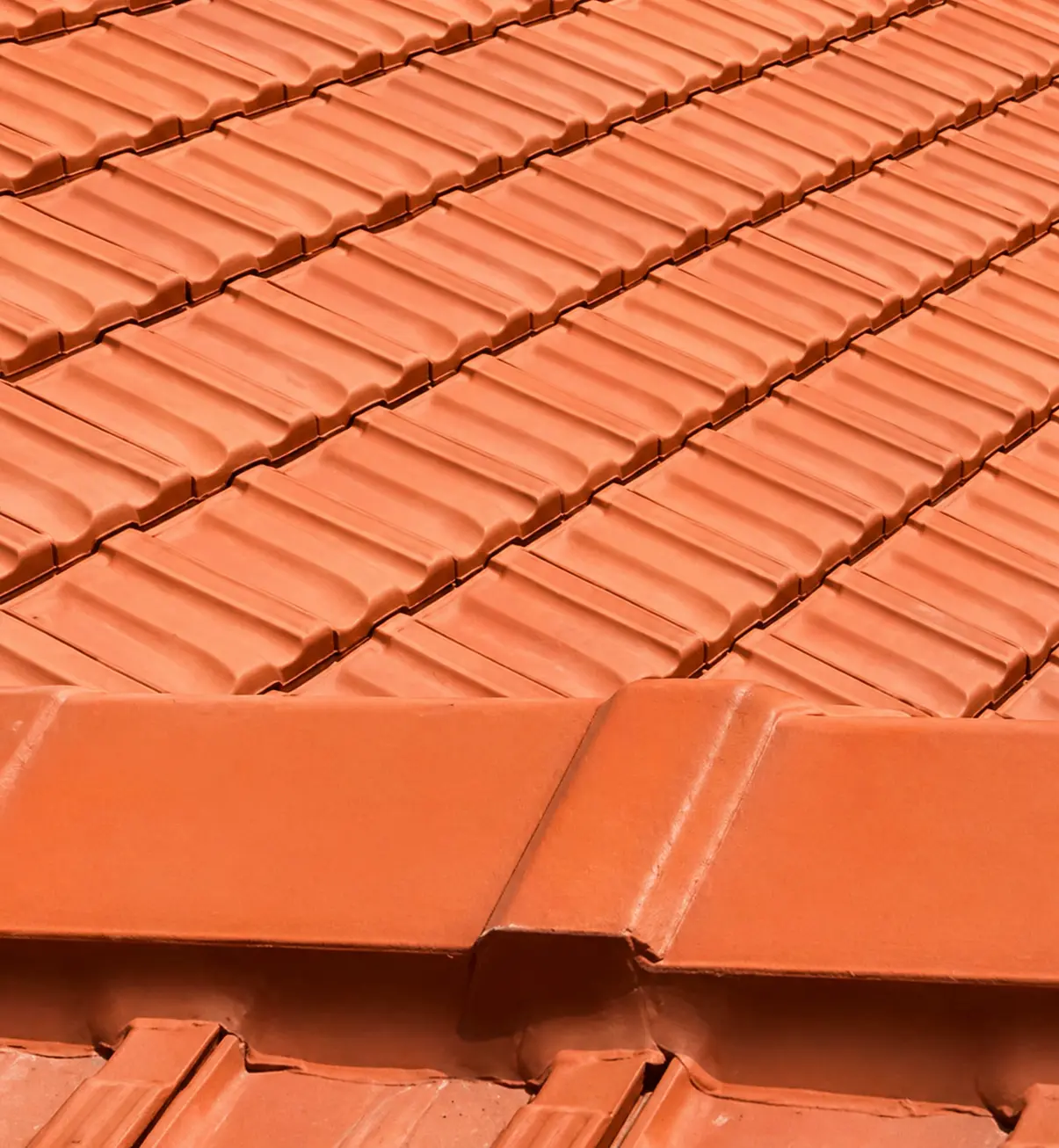
Roof tiles remain a familiar sight on Sydney homes. Two common categories are terracotta, made from fired clay, and concrete. Both are available in different profiles and finishes. The supporting structure, roof pitch and tile system need to be assessed together, especially when changing from another material.
When an older tiled roof leaks, the problem may involve flashings, ridge details, underlay or damaged tiles. An inspection helps determine whether targeted repairs, restoration or replacement is appropriate.
Slate roofing
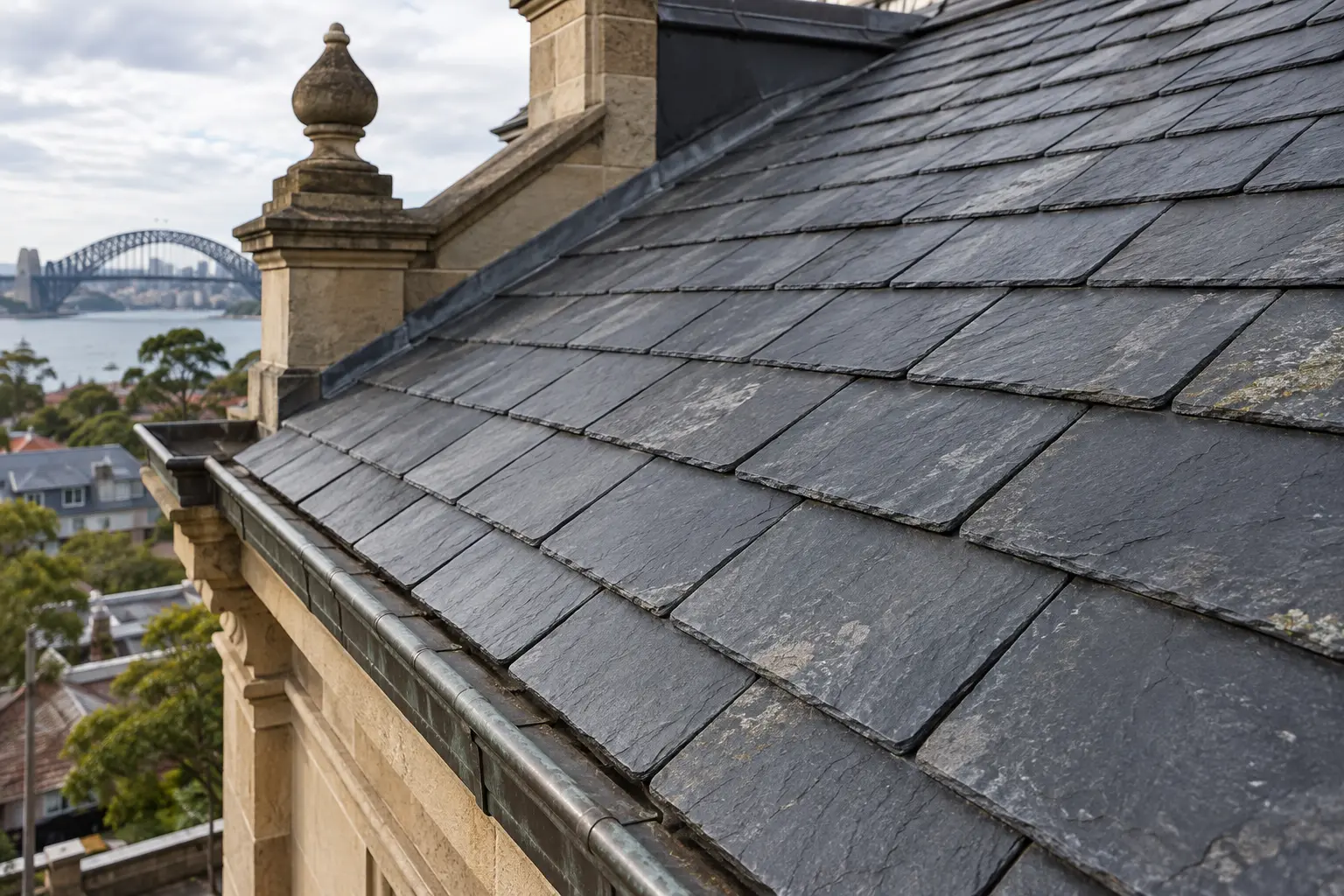
Natural slate has a distinctive appearance and is often found on heritage and architecturally detailed buildings. Slate is usually described by its source, such as Welsh, Canadian or Spanish slate. These are varieties of the same roof material, with differences in colour, texture, availability and individual product characteristics.
Slate roofing calls for appropriate roof structure, careful detailing and specialist workmanship. Any replacement slate should be selected for the particular roof and its existing appearance.
Timber shingles and shakes
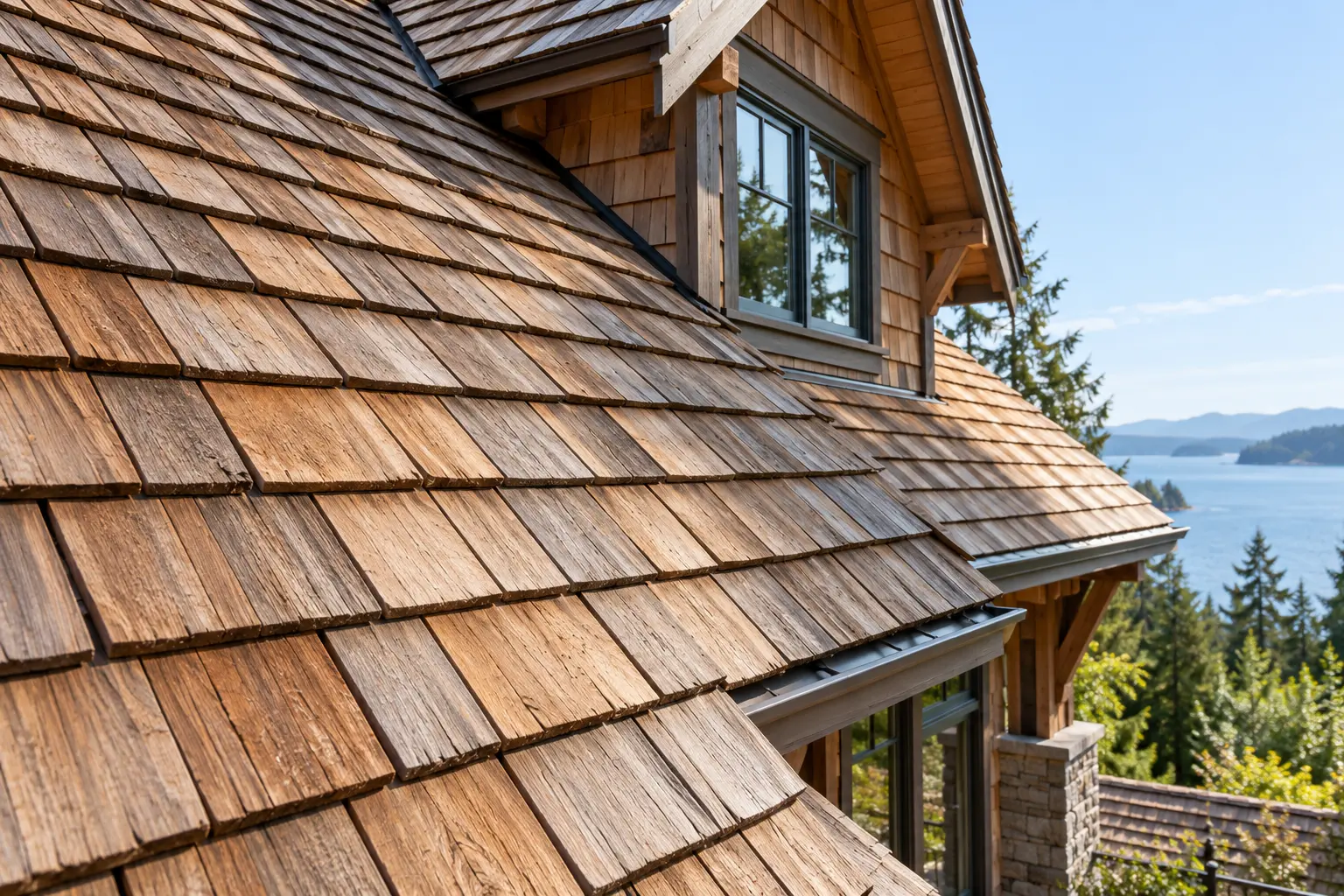
Timber shingles and shakes give a roof a textured, natural finish. Shingles are generally more uniform, while shakes have a more rustic appearance. These systems need suitable detailing and ongoing maintenance. Bushfire requirements, local approvals and site conditions can limit where they are appropriate.
Flat and low-pitch roof systems
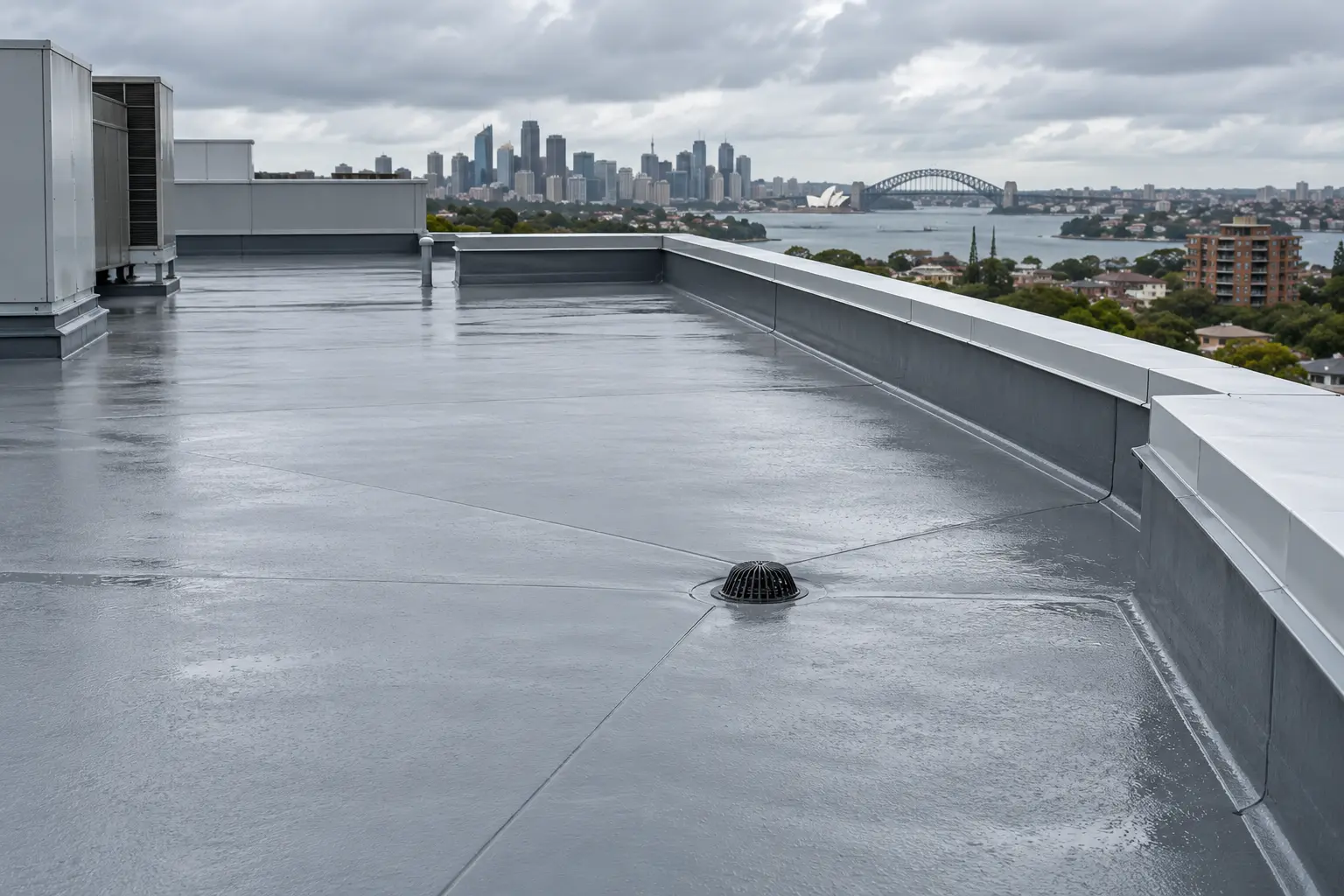
Low-pitch and flat roofs need a system designed for their slope and drainage. Depending on the building, that may mean an approved low-pitch metal profile or a waterproof membrane. Membranes include sheet and liquid-applied systems used on suitable substrates, often with carefully detailed outlets, penetrations and edges.
A roof that looks flat still needs effective falls and drainage. The right system depends on how the roof is built and used.
Lead and other specialist roofing details
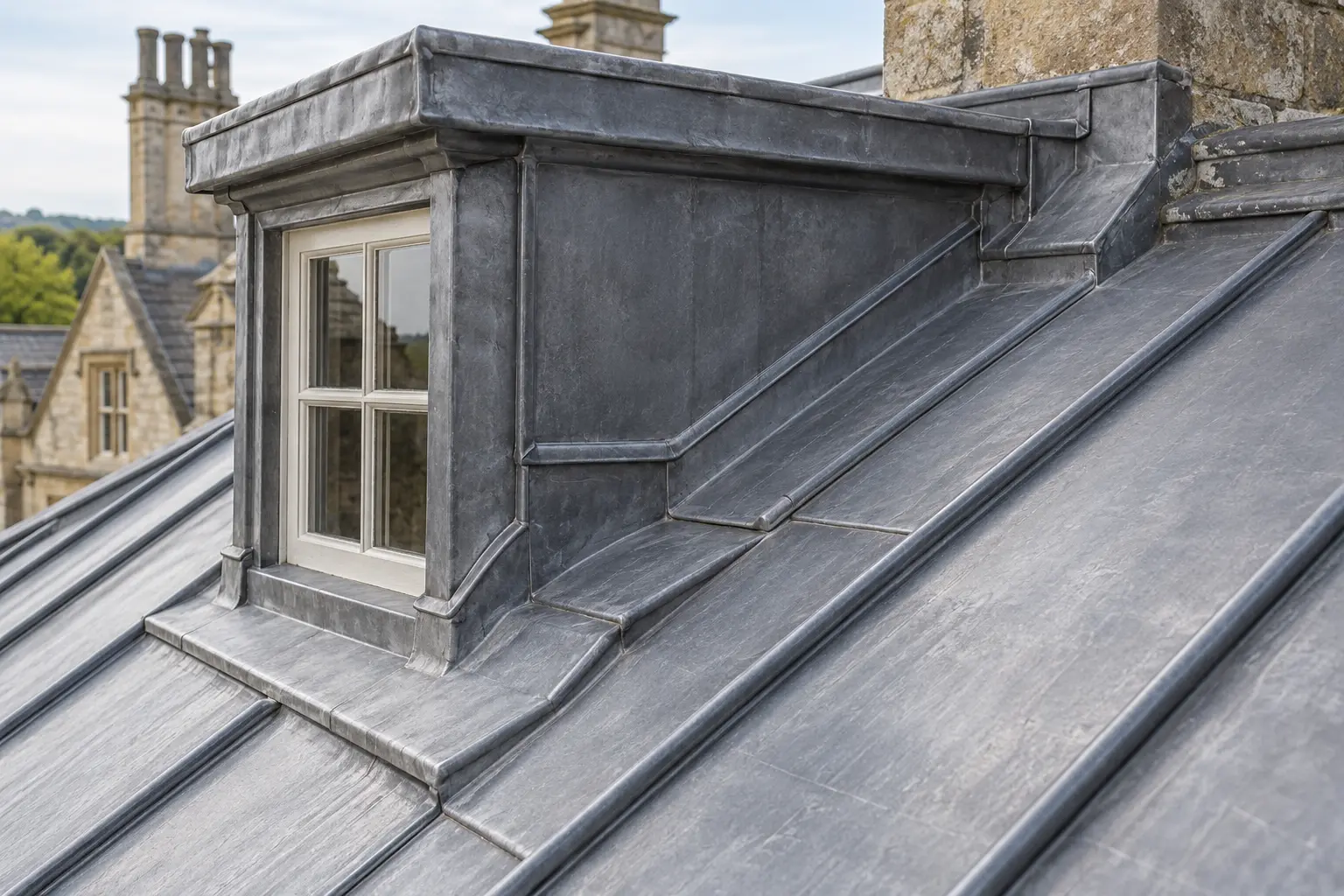
Lead appears on some historic roofs and is also used in specialist weatherproofing details. Its suitability depends on the building, the design and the applicable requirements. It should be assessed as a specialist material rather than treated as an everyday alternative to steel or tile.
What if the existing roof contains asbestos?
Older buildings may have asbestos cement roof sheets. Asbestos is an existing material to identify and manage safely, not a choice for a new roof. If it is suspected, arrange an appropriate assessment before disturbing the roof. Removal and replacement need to be planned around the material, the site and the applicable requirements.
How do you choose the right roof?
Start with the building rather than a material catalogue. A roofing assessment should consider:
- Roof pitch, shape, drainage and the condition of the supporting structure.
- Local conditions such as coastal exposure, wind and bushfire requirements.
- Appearance, heritage controls and any strata or approval requirements.
- Upfront cost, maintenance and the practical details of installation.
At A.S.A.P. Project Group, we can inspect the existing roof and discuss suitable roofing and guttering options for the project. For specialist materials, availability and scope can be confirmed during the assessment.
REQUEST A QUOTE